

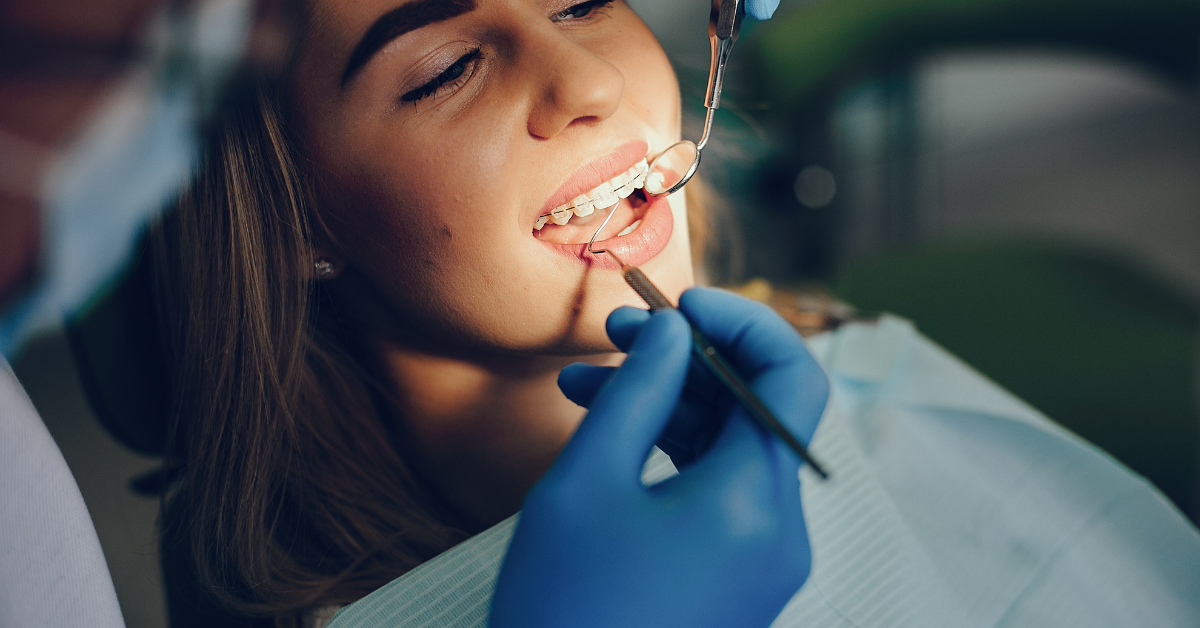
Does Having Crooked Teeth Impact Your Smile and What It Says? The way you chew, speak and clean your teeth can be affected. Many of the people who start their journey for a perfect smile begin by contacting an orthodontist near you. They learn why teeth shift and how modern orthodontic treatments can move them into the right position. Orthodontic treatment aids in the enhancement of your smile and oral health.
Today, orthodontic care is more comfortable and flexible than ever. With the right plan, crooked teeth can be corrected at almost any age, helping patients enjoy a confident smile and better daily comfort.
Why Do Teeth Become Crooked Over Time?
Teeth can become crooked for several reasons, and it often starts early in life. However, changes can also happen slowly during adulthood.
Common causes include:
- Genetics and jaw size differences
- Early loss of baby teeth
- Thumb sucking or pacifier use.
- Crowded teeth with limited space
- Teeth grinding or clenching.
When teeth don’t line up properly, cleaning becomes harder. This can increase the risk of cavities, gum problems, and uneven tooth wear.
How Does Orthodontic Treatment Move Teeth Safely?
Orthodontic treatment uses gentle, steady pressure to move teeth into better positions slowly. This helps straighten teeth while keeping the bone around them healthy.
During orthodontic treatment in Newmarket, each plan is made to fit your needs. Teeth are moved safely and slowly, focusing on comfort and long-lasting results, not speed.
Treatment focuses on:
Creating space for crowded teeth
- Closing gaps
- Aligning bite position
- Improving jaw balance
Because the movement is gradual, the body adapts naturally, making the process safe and effective.
What Are the Most Common Orthodontic Procedures?
The orthodontic process varies according to age and teeth. Your orthodontist chooses the option that suits you the best.
Common orthodontic procedures include:
- Conventional braces with brackets and wires.
- Transparent or ceramic braces.
- Easy to remove aligners.
- Space maintainers for younger patients
- Retainers after treatment
Each option has its own specific purpose, but all focus on repositioning the teeth to a healthier position without harming the healthy structure of the teeth.
What Happens During Orthodontic Treatment Before and After?
Before and after orthodontic treatment, patients obtain clear expectations for their treatment. Before undergoing the therapy, a full exam and images are taken to determine the movement of the teeth.
Before treatment, patients often experience:
- Teeth that are spaced too closely together.
- Flossing challenges.
- Jaw or uneven bite discomfort.
Most patients notice after treatment:
- Align the teeth more.
- Enhanced bite balance
- Brushing and flossing made easy.
- Confidence of smile increased.
There’s much more than visual change. Correct alignment aids in ensuring oral health and comfort in the long run.
How Long Does Orthodontic Treatment Take?
Treatment time depends on how much movement is needed. Some patients see results in months, while others may need longer care.
Factors that affect treatment length:
- Age of the patient
- Severity of crowding or spacing
- Bite alignment
- Consistency with follow-up visits
Most treatments range between 12 and 24 months, followed by a retention phase to maintain results.
Are Orthodontic Treatments Only for Teenagers?
No. Orthodontic care is suitable for children, teens, and adults. Many adults now seek treatment because modern options are more discreet and comfortable.
Adults benefit from orthodontic care by:
- Reducing uneven tooth wear
- Improving jaw comfort
- Supporting long-term tooth health
It’s never too late to improve alignment when teeth and gums are healthy.
How Does Orthodontic Treatment Improve Oral Health?
Straight teeth are more manageable. When teeth are properly aligned, plaque can’t build up as much, and your gums will be healthier.
It helps through orthodontic treatment.
- Minimizing cavity risk
- Lessening gum swelling
- Avoiding bite strain
- Jaw stability support
Properly aligned teeth shield themselves from excess pressure and other forms of harm.
What Should You Expect After Treatment Ends?
Retainers serve to maintain the position of teeth after active orthodontic treatment. Retention is necessary as teeth want to shift back naturally.
Care after the treatment includes
- Use Your Retainers As Instructed
- Routine dental checkups
- Maintaining proper daily hygiene
By taking these actions, you can keep your results for years.
Take the First Step Toward a Straighter Smile!
Are crooked teeth interfering with your comfort, confidence, or oral health? At Newmarket Orthodontics, personalized care is gentle, clear and permanent. Schedule your consultation today and take the first step toward a more confident, healthier and straighter smile.
FAQs
Does orthodontic treatment hurt?
Most patients feel mild pressure or soreness when treatment begins or after adjustments. This usually goes away within a few days as the teeth adjust.
Can crooked teeth shift back after treatment?
Yes. Teeth can slowly move back if retainers are not worn. Wearing retainers as advised helps keep teeth straight long-term.
Will orthodontics impact a person’s speech?
A few individuals observe slight changes in speech. These effects are generally temporary and increase in a short time due to mouth adaptation.
Can orthodontic treatment solve bite problems?
Affirmative. Having proper alignment will impact how your upper and lower fit together, relieving strain from your jaw and improving comfort when chewing.