

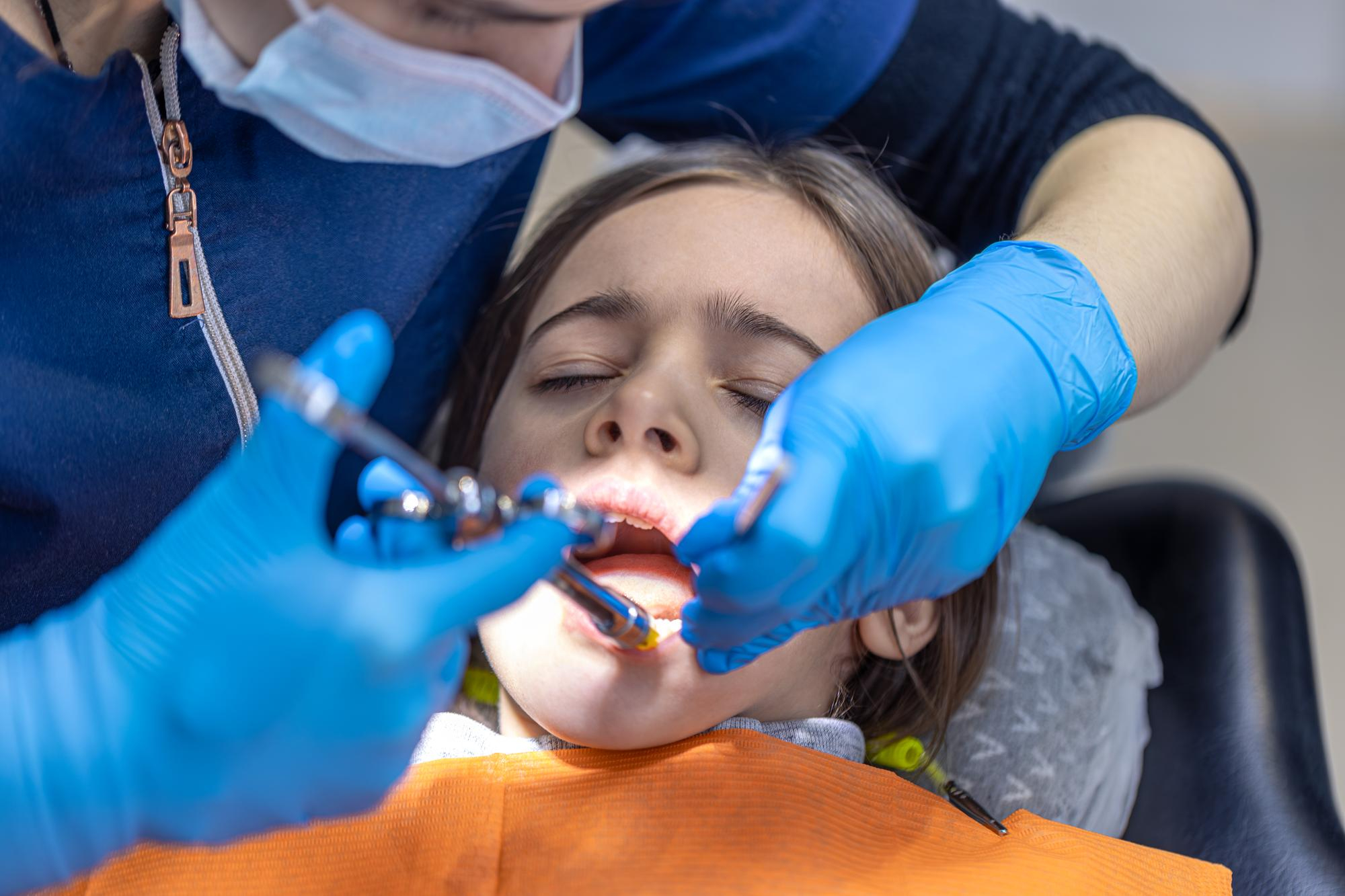
Starting your journey to a straighter smile is exciting, but a broken bracket or poking wire can hurt. With a professional orthodontist in Newmarket, you have help when surprises arise.
Most minor brace or tray issues can be handled at home if you know how. Learning to tell the difference between a small annoyance and a crisis helps you stay calm.
Knowing a few tricks lets you protect your teeth and keep treatment on track without delays.
Knowing When It Is A Real Emergency
Before you call the office, it helps to know what counts as a serious problem and what is just a minor fix. Understanding these distinctions makes it easier to spot common orthodontic emergencies and react appropriately without getting too stressed.
- Major Injury to the Face: If you receive a strong blow to the face during sports and notice a loose tooth or bent braces, this is a true emergency, and you should seek help right away.
- Severe Swelling: Significant swelling in your gums or face, especially with a fever, is an emergency and requires immediate professional attention.
- Sharp, Persistent Pain: Feeling slightly sore after a check-up is normal, but if sharp pain keeps you awake or worsens, it is an emergency.
- Choking or Breathing Danger: If any part of your braces breaks off and you suspect you swallowed it or have trouble breathing, go directly to the hospital as this is an emergency.
Fixing Poking Wires And Loose Parts
Most brace complaints happen when parts shift as teeth move. If you need an orthodontist near you for a sharp wire, try these home fixes first.
- Use Dental Wax: Roll a tiny bit of wax into a ball and press it over any sharp metal edges to smooth them.
- The Eraser Trick: For thin wires poking your cheek, use the clean eraser end of a pencil to gently push the wire back toward the tooth.
- Small Tweezers: If a tiny colored rubber band comes off, you can sometimes use clean tweezers to stretch it back over the metal square.
- Clipping the End: Only if a wire is causing a cut and wax won’t stay, you can use clean nail clippers to snip the very end.
What To Do About Broken Brackets
Brackets are the small squares glued to your teeth that can pop off if you eat hard foods.
Orthodontic emergencies in Bradford are common for the dental team, but a loose bracket is usually just annoying.
- Keep it still: If the bracket is still on the wire, do not try to pull it off; just cover it with wax to stop it from moving.
- Save the Metal: If the bracket falls out of your mouth, put it in a small bag and bring it to your next visit.
- Never Use Glue: Do not use regular superglue to fix a bracket, as these chemicals are not safe and can ruin your teeth.
- Call for a Fix: Tell the office, even if it doesn’t hurt, so they can save extra time gluing the piece back on properly.
Quick Action for Braces Problems
| The Problem | What to do Right Away | When to Call? |
|---|---|---|
| Poking Wire | Use wax or a pencil eraser | Call if it still hurts |
| Loose Bracket | Secure it with dental wax | Next business day |
| Broken Aligner | Wear your old set for now | Call right away |
| Face Injury | Use ice and check for bleeding | Get help immediately |
| Sore Teeth | Saltwater rinse and soft foods | Tell the team at your visit |
Using An Orthodontic Emergency Treatment Guide
When your mouth is sore, an orthodontic emergency guide helps you stay comfortable until your next visit. Most aches are temporary and get better with gentle care at home.
- Saltwater Rinses: Mixing salt into warm water and swishing it helps heal tiny cuts and soothes your gums.
- Simple Pain Medicine: Basic over-the-counter medicine can help with the ache of moving teeth, but follow the label.
- Numbing Gels: Store-bought gels can be applied directly to a sore spot on your cheek to numb it for a few hours.
- Soft Food Vacation: Give your jaw a break by eating smoothies, yogurt, and mashed potatoes while you are sore.
Handling Lost Or Broken Clear Trays
If you use clear aligners, most “emergencies” involve losing or breaking a tray.
- Keep Moving: If a tray breaks or gets lost, do not just wait for your next visit; your teeth will start moving back quickly.
- Go Back One Step: While waiting for a new tray, wear your last set of aligners to keep your teeth in the right spots.
- Check the Fit: If a new tray feels like it isn’t on all the way, use your “chewies” to push it down before thinking it is broken.
- Save Your Old Sets: Never throw away your old aligners until your treatment is complete, as they serve as your backup plan.
Stopping Problems Before They Happen
Prevent most problems by being careful with eating, sports, and regular care.
- Wear a Mouthguard: A mouthguard will help protect your lips from cuts while playing sports or working out at the gym.
- Watch Your Snacks: Avoid eating apples, or biting on the cob, and sticky candy, which can pull your brackets off.
- Check Your Braces: Once a week, look in the mirror and gently touch your brackets to see if any feel loose.
- Keep it Clean: Brushing away food helps prevent germs that make your gums puffy and sore.
A Smooth Path To Your New Smile
Dealing with a broken wire or a loose bracket is just a small part of getting a great smile. Staying calm, using wax, and acting quickly will keep you comfortable and your treatment on track.
Most problems are easy to fix, and we’re here to help you every step, even when surprises happen.
Did a part of your braces just break or start hurting? Contact Newmarket Orthodontics today to get a quick repair and keep your smile moving forward!
Get directions to Newmarket Orthodontics in Newmarket for quick help with orthodontic emergencies and repairs.
FAQs
Why does my wire feel longer at the back?
As your teeth move closer together, the extra wire has nowhere to go and pokes out the back.
What if I swallow a tiny piece of metal?
It usually passes through your body safely, but go to the hospital if you have trouble breathing.
Can I still play my instrument?
Yes, but it takes a few weeks to get used to it; use lots of wax to protect your lips while you play.
Does a broken bracket mean I’ll have to wear braces longer?
It can, because that tooth stops moving when the bracket is loose. Get it fixed fast.